
What is a Catch Can?
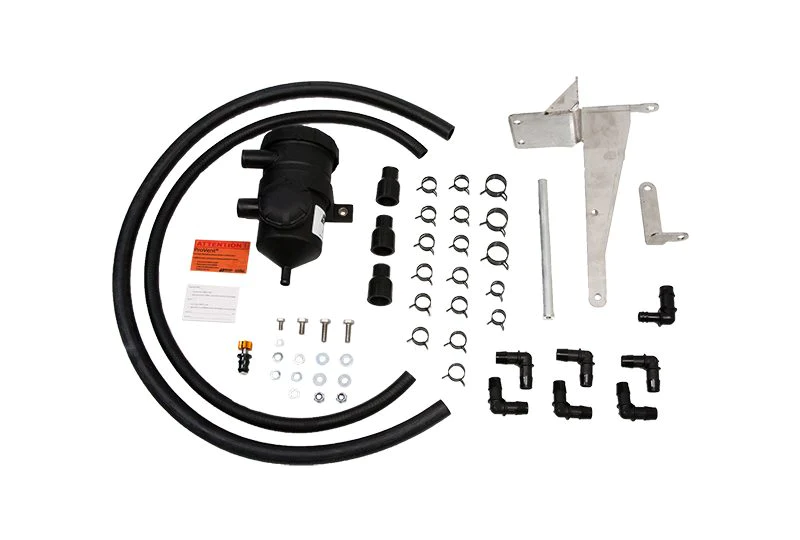
In technical terms, a catch can is an oil/air separator that serves to separate oil droplets from the air circulating through the engine breather and intake system. Catch cans or oil separators are commonly utilised for this purpose.
How does it work?
Usually, a catch can is connected to a hose that runs from the top of the engine’s crankcase to the intake manifold. This hose is responsible for releasing pressure generated by blow-by, which occurs when pressure from the combustion chamber leaks past the piston rings. However, the issue is that this hose also allows oil and other undesirable substances from the crankcase to enter the intake manifold, which can cause harmful buildup and negatively impact fuel economy, horsepower, and potentially cause misfires if left unaddressed.
Direct-injected engines are particularly susceptible to this issue because, unlike port-injected engines, the fuel is sprayed directly into the cylinder without any cleansing effect. As a result, there is nothing to prevent the buildup of gunk. An oil catch can serves as a filter by connecting to the hose line and capturing contaminants before they reach the intake.
Benefits

What is a Catch Can?
In technical terms, a catch can is an oil/air separator that serves to separate oil droplets from the air circulating through the engine breather and intake system. Catch cans or oil separators are commonly utilised for this purpose.
How does it work?
Usually, a catch can is connected to a hose that runs from the top of the engine’s crankcase to the intake manifold. This hose is responsible for releasing pressure generated by blow-by, which occurs when pressure from the combustion chamber leaks past the piston rings. However, the issue is that this hose also allows oil and other undesirable substances from the crankcase to enter the intake manifold, which can cause harmful buildup and negatively impact fuel economy, horsepower, and potentially cause misfires if left unaddressed.
Direct-injected engines are particularly susceptible to this issue because, unlike port-injected engines, the fuel is sprayed directly into the cylinder without any cleansing effect. As a result, there is nothing to prevent the buildup of gunk. An oil catch can serves as a filter by connecting to the hose line and capturing contaminants before they reach the intake.
Benefits
REQUEST A QUOTE: EARLY BIRD SPECIAL from $1,195! Book in before June 2023.
Please fill out the form below, and we’ll contact you shortly.